Social Entrepreneurship is often misunderstood as just “doing good.” In reality, doing good without a sustainable system is merely a band-aid. True Social Impact requires the strategic grit of a corporate structure and the unwavering heart of a humanitarian mission. To solve systemic issues, “aid” must be treated as a verb, an active, measurable process rather than a passive handout.
1. Educational: Moving Beyond the “Band-Aid” (Sustainable Development Aid)
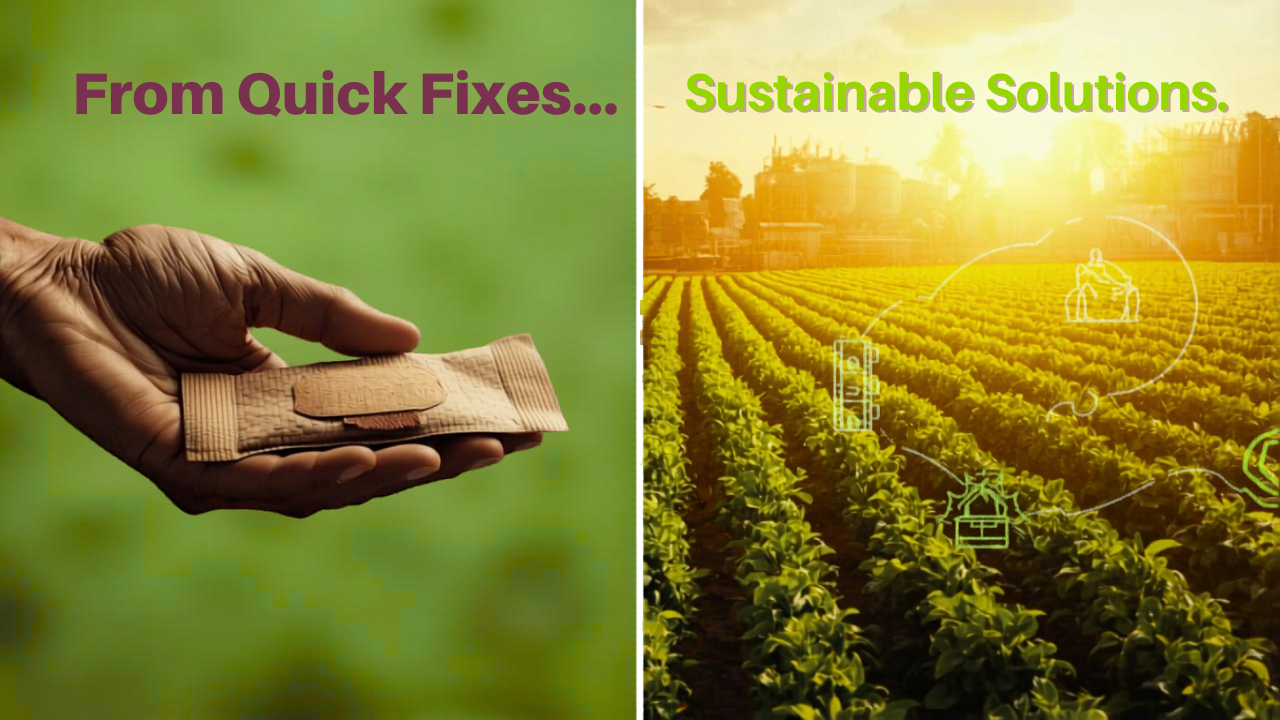
Traditional charity often focuses on immediate relief. While emergency intervention is vital, it rarely addresses the root causes of poverty. The EUSMS approach to Development Aid focuses on long-term infrastructure.
The goal is not just to provide a meal, but to build the local supply chains that ensure no one goes hungry tomorrow. By applying entrepreneurial logic to aid, the organization ensures that every investment creates a recurring return of dignity and stability for people in need. This is the shift from temporary assistance to permanent empowerment.
2. Utility: The Bridge to Independence (Vocational Training)
Handouts can inadvertently create a cycle of dependency. Popular and Vocational Education and Training create a cycle of growth. A technical skill is the only asset that can never be taken away, serving as the ultimate tool for self-reliance.
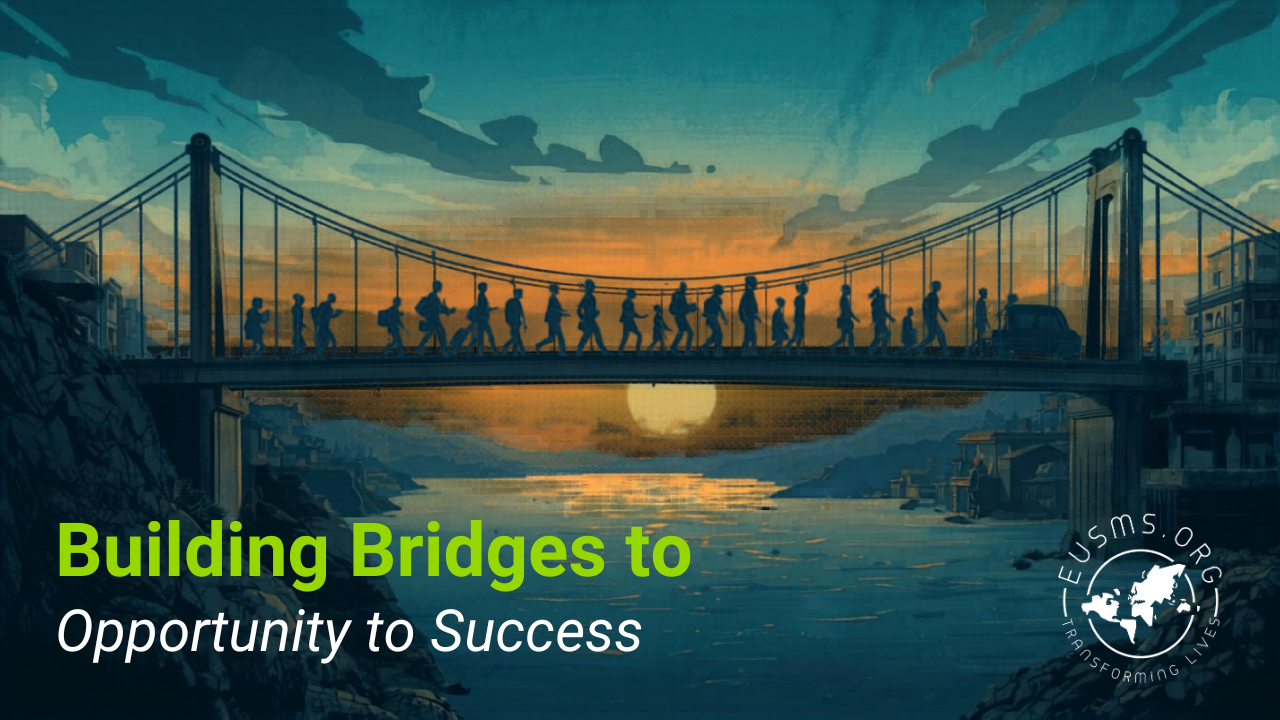
By prioritizing vocational training, the organization builds a functional bridge between systemic poverty and economic independence. Whether it is digital literacy, craftsmanship, or business management, providing these tools allows individuals to become the architects of their own futures. When a community has the power to earn, it has the power to transform.
3. Motivational: The Multiplier Effect of Equal Rights
Social impact is exponentially more effective when centered on Equal Rights for women and men. When women are empowered with the same resources as their male counterparts, the ripple effect is immediate. Statistics consistently show that empowered women invest the majority of their earnings back into their families and local education systems. Equality is not just a moral imperative; it is the most efficient engine for societal progress.
4. Social & Environmental Responsibility: The Foundation
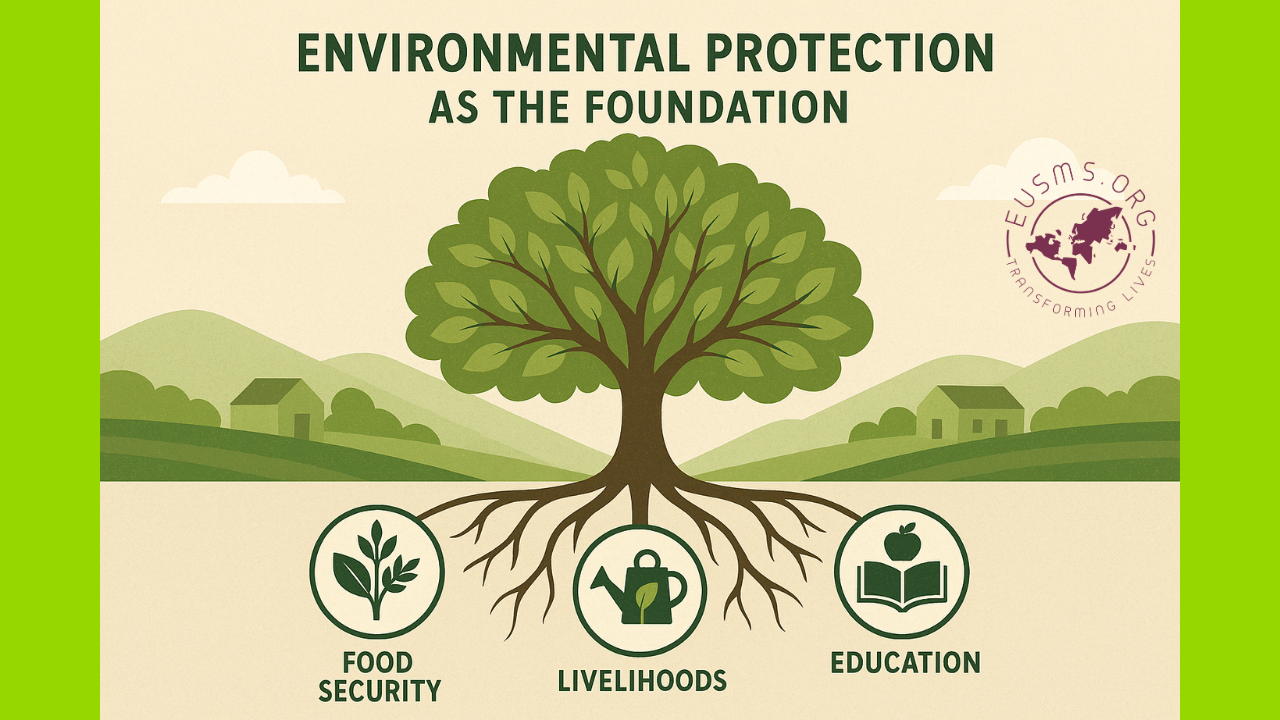
A sustainable business cannot exist on a dying planet. Environmental Protection is not a secondary “nice-to-have” feature; it is a prerequisite for all other pillars. For the communities served by these programs, the health of the environment is tied directly to their livelihoods and food security. Protecting the land is the first step in protecting the people.
The EUSMS Conclusion: An Integrated Ecosystem
The work is a constant intersection of radical empathy and radical efficiency. We are not just observing a problem; we are building an ecosystem where everyone has a seat at the table, a voice in the conversation, and a stake in the future.
Aid is a verb. It is the daily action of turning Social Entrepreneurship into tangible global change.
By: Stephanie Koligey