In the bustling streets of Nairobi, there’s a phrase we hear often: “Hustle ni lazima” (Hustle is a must) Sleep less. Post more. Grind until it hurts. But as we navigate the first quarter of 2026, a new reality is setting in. The “hustle” is getting more expensive not just in terms of fuel and taxes, but in terms of our cognitive and emotional energy.
The Trap of “Fast Growth”
At EUSMS, we’ve realized that the most successful founders aren’t necessarily the ones with the most capital or the flashiest pitch decks; they are the ones who have built a solid internal infrastructure. This isn’t just about “staying positive” or waiting for the storm to pass. It is a calculated resilience. It’s the profound realization that while you have zero control over the tax man, the fluctuating shilling, or global inflation rates, you have absolute sovereignty over your own strategy and your reaction to the chaos.
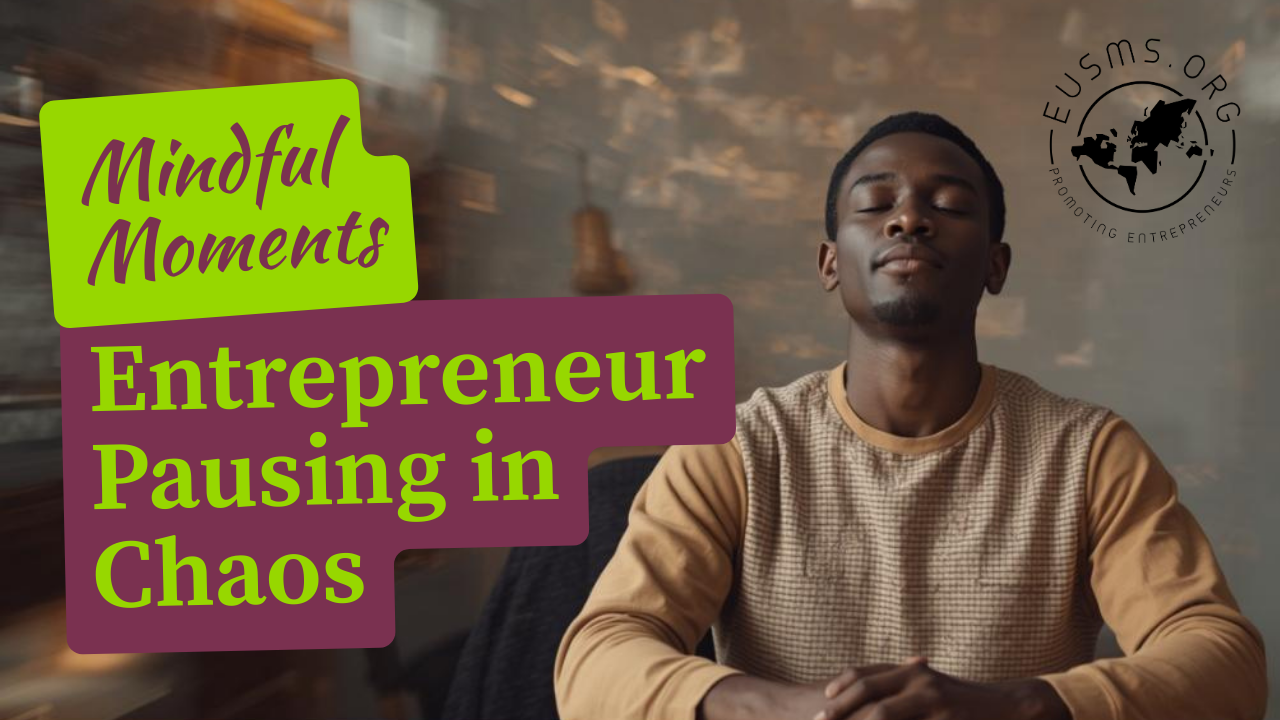
1. Mindfulness as a Competitive Edge
We often think of mindfulness as something for a yoga retreat, but in the chaos of a shifting East African economy, it is a survival tool. It is the ability to hit “pause” when a supply chain breaks or a client defaults.
Instead of reacting with panic, which clouds judgment a mindful entrepreneur observes the situation clearly. This clarity allows you to see the gap in the market that your competitors are too stressed to notice. When you master your attention, you stop being a slave to the “breaking news” notifications and start being the architect of your day.
The most successful leaders we work with are practicing a form of radical intentionality powered by mindfulness. They aren’t chasing every “get-rich-quick” bot or trending side-hustle. Instead, they use mindfulness as a filter to ask the harder questions: Is this business actually solving a systemic problem for my community? Is my supply chain as ethical as my marketing claims?
2. The Ceiling of Personal Growth
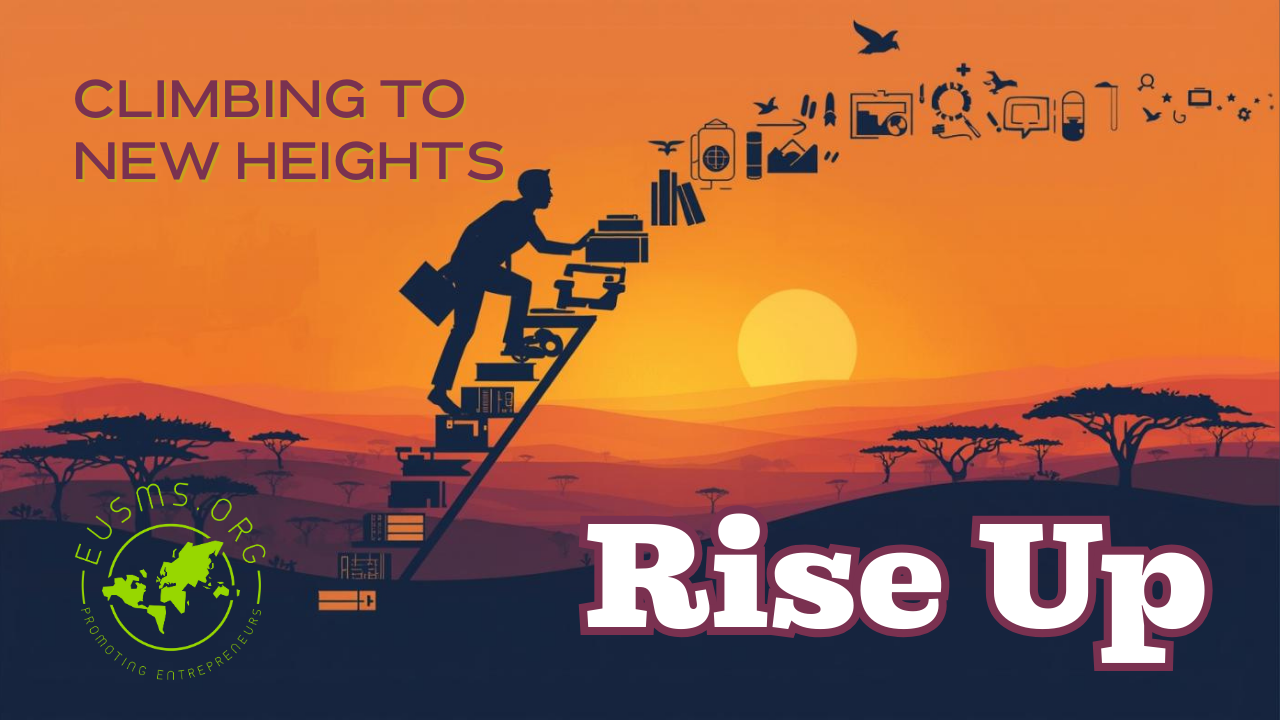
There is a hard truth in entrepreneurship: Your business will never outgrow your own character. If you are disorganized, your company will be chaotic. If you stop learning, your product will stagnate. Personal growth isn’t about collecting certificates; it’s about the constant refinement of your perspective. As we expand our footprint into Ethiopia and Djibouti, we are reminded that scaling a business is actually a journey of scaling yourself. You have to become the person capable of leading a cross-border team before the opportunity even arrives.
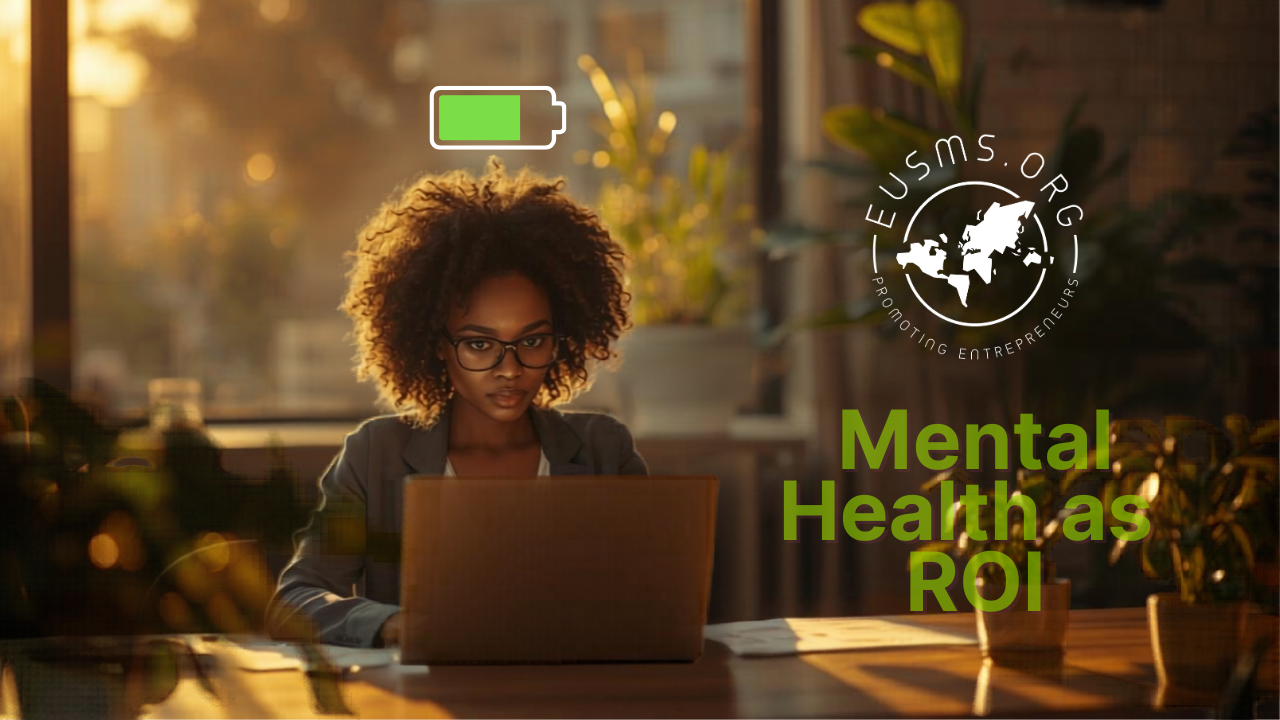
3. Mental Health: The Ultimate ROI
For too long, the “founder’s grind” has worn burnout as a badge of honor. But in 2026, we have to call it what it is: a liability.
Protecting your mental health is the highest-return investment you can make. A burnt-out brain cannot innovate. A depressed leader cannot inspire. At EUSMS, we advocate for a culture where checking in on your mental wellbeing is as important as checking your profit-and-loss statement. Resilience isn’t about “toughing it out” until you break; it’s about building systems of rest, boundaries, and community, that keep you in the game for the next decade, not just the next week.
The Bottom Line
Today, don’t just “hustle.” Take ten minutes to step back. Look at your business not as a series of fires to put out, but as an ecosystem you are architecting.
Are you building something that lasts, or are you just running on a treadmill? The future of East Africa belongs to the thinkers, the skeptics, and the ethical leaders. It belongs to those who have mastered their inner world so they can conquer the outer one.
Stay grounded. Stay sharp.
Author: Stephanie Koligey